

In visual merchandising, the difference between a good display and a great one often comes down to storytelling. Well-organized store shelving does more than hold products — it becomes part of a layered narrative that draws customers in and connects them emotionally to your merchandise. By combining shelving with thoughtful props, lighting, and themes, retailers can transform ordinary presentations into compelling experiences.
Why Layering Matters
Layering creates depth and interest in visual displays. Instead of placing products on a single plane, layering uses vertical and horizontal space to build scenes that feel dynamic and curated. When customers encounter displays that look intentional and artful, they’re more likely to engage, explore, and ultimately buy.
Well-executed layering balances three key elements: product, props, and space. Products are the stars, but props and shelving provide context. Together, they whisper a story about how each item fits into a customer’s life — whether it’s seasonal trends, themed collections, or lifestyle moments.
Using Store Shelving as a Visual Foundation
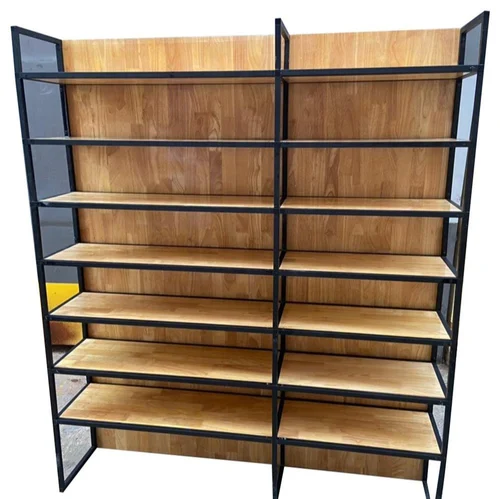
Shelving units serve as the backbone of many retail displays. Their clean lines and structured form help organize product categories, define zones, and control sightlines. But shelving doesn’t have to be strictly functional. When layered with props and themed visuals, it becomes an immersive backdrop that enhances storytelling.
For example, a neutral shelving backdrop can support multiple thematic layers:
- Seasonal color palettes using coordinated props
- Lifestyle vignettes that show how products work together
- Material texture contrast that highlights product uniqueness
By starting with sturdy and attractive store shelving, retailers create a reliable foundation ready to support visual complexity without clutter.
Choosing Props That Complement, Not Distract
Props should amplify the product’s story — not overshadow it. The best props are those that feel cohesive with merchandise rather than unrelated ornaments. For a summer collection, natural materials like woven baskets, beach towels, or sand-tone accents help create an environment that connects emotionally with the theme. For cooler seasons, consider layered textiles, soft lighting, or subtle metallic tones for a cozy or festive mood.
Here are some prop strategies that work well:
- Textural layers like fabric swatches, wooden trays, or baskets
- Height variation using risers, boxes, or pedestals
- Accent pieces such as themed signage or seasonal décor
Props help products “pop” on shelving by creating dimension and directing focus, making the scene feel intentional rather than random.
Themes That Spotlight Product Narratives
Themes allow retailers to curate products in meaningful groupings. These can be based on:
- Seasonal events (Back-to-School, Holiday, Spring Refresh)
- Lifestyle moments (Work Day Essentials, Weekend Wellness)
- Trend groupings (Monochrome Neutrals, Earth Tones, Active Basics)
Theming not only enhances the visual experience, it also helps guide customer decisions. When shoppers can easily see how items pair together — and imagine them in real life — they’re more likely to make multiple purchases.
Finishing Touches: Lighting and Signage
Lighting completes layered displays by adding warmth, contrast, and focus. Soft LED strips on shelves or directional spotlights help highlight textures, colors, and featured items without overwhelming the space. Signage reinforces themes and offers context — whether it’s a simple price marker, a short theme phrase, or a small inspirational message.
Conclusion: Make Displays Work Harder
Shelving is more than storage — it’s a stage. With layering, props, and themed storytelling, your fixtures can do double duty: organize inventory and guide emotional engagement. When customers feel invited in by intentional display scenes, they linger longer, explore deeper, and remember the experience — making them more likely to return.