2026

From Disco Games to Adventure Hunts: Fun Birthday Party Ideas Kids Actually Get Excited About

Planning a child’s birthday sounds simple at first.

Then suddenly you’re comparing entertainment ideas at midnight, wondering whether children still enjoy party games, if balloon animals are still somehow magical, and how on earth you’re supposed to keep twenty overexcited kids entertained for two straight hours.

The truth is, children’s parties have evolved a lot over the years. It’s no longer just about cake and music in a rented hall. Parents now look for experiences that feel interactive, memorable, and tailored to their child’s personality.

And honestly, children notice the difference.

Every Child Enjoys Different Types of Parties

One thing I’ve realised after seeing all kinds of family events is that there’s no single “perfect” party style.

Some children want high-energy chaos from start to finish. Others prefer imaginative storytelling or creative activities. The best parties usually reflect what the child genuinely enjoys rather than simply following trends.

That flexibility is what makes modern party planning far more interesting than it used to be.

High-Energy Disco and Dance Parties

For children who constantly seem to have unlimited energy, dance-based parties are usually a safe bet.

Music, movement, games, bubbles, lights, and silly competitions naturally keep children engaged because they never stay still long enough to become bored. Even children who start off shy often end up joining in once the atmosphere becomes energetic enough.

And honestly, there’s always one child who treats the dance floor like they’re headlining a world tour.

Creative and Interactive Parties

Some kids prefer activities where they can build, create, experiment, or solve challenges.

Science parties, craft-based events, treasure hunts, and cooking activities have become increasingly popular because they combine entertainment with hands-on interaction. Children stay mentally engaged instead of simply watching passively.

These types of parties often work especially well for smaller groups where children can participate more directly.

Adventure and Action-Themed Events

Adventure parties remain popular because children naturally love roleplay and excitement.

Obstacle courses, scavenger hunts, survival challenges, and interactive missions immediately create energy within a group. Kids love feeling like they’re part of an unfolding story rather than simply attending a party.

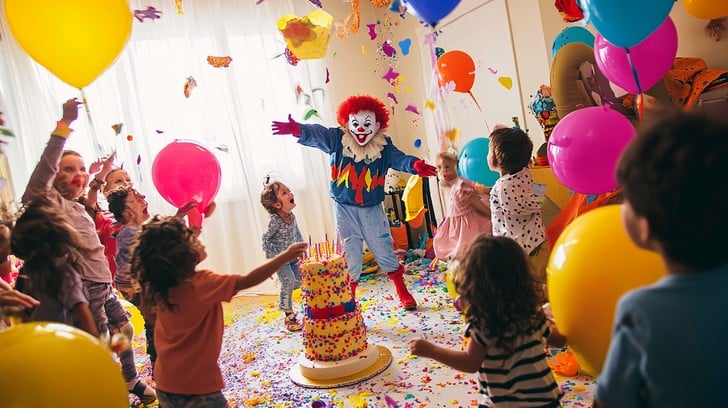
That’s also one reason superhero themed birthdays continue being such a huge hit with younger children. Superhero themes combine costumes, action games, teamwork, imagination, and playful competition all together in a way that naturally keeps excitement levels high.

Plus, most children absolutely love pretending they have special powers for the day.

Character and Fantasy Experiences

Fantasy-based celebrations work brilliantly because children become emotionally invested in imaginative worlds incredibly quickly.

Princesses, pirates, magicians, jungle explorers, and fantasy characters all create opportunities for storytelling and immersive games that make the party feel unique rather than routine.

These themes often create the strongest emotional reactions because younger children genuinely believe in the magic of the experience while it’s happening.

Sometimes Simpler Parties Work Best

Interestingly, not every memorable party needs huge setups or expensive entertainment.

Some of the best events I’ve seen were surprisingly simple but filled with strong energy, humour, and interaction. Children mainly remember how the party felt rather than whether every decoration matched perfectly.

A funny entertainer, exciting games, music, and enthusiastic participation usually matter far more than perfection.

The Goal Is Creating Moments Kids Remember

At the end of the day, the best birthday parties aren’t necessarily the most expensive or elaborate ones.

They’re the ones where children laugh uncontrollably, become fully immersed in the experience, and leave talking about the party the entire journey home.

Whether that comes from dancing, adventure games, storytelling, performances, or imaginative themes doesn’t really matter.

What matters is creating a few hours where children feel excited, involved, and genuinely happy — because those are usually the moments that stick with them long after the birthday candles are blown out.
What Actually Sells at the Checkout (And What Doesn’t)

Most checkout areas are either wasted space or overloaded. You’ll see counters with nothing on them, or counters packed with random items that don’t move. Neither setup works particularly well.

The checkout zone isn’t for bulk selling. It’s for quick decisions.

The Customer Is Already Done Shopping

By the time someone reaches the counter, they’ve made their main choices. They’re not browsing anymore. They’re waiting.

That changes how you should use the space.

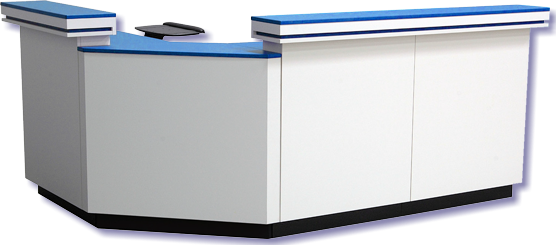
A cash register display counter should focus on low-effort add-ons. Items that don’t require much thought, sizing, or comparison. If a product needs explanation, it’s in the wrong place.

Keep It Small and Clear

This is where a lot of stores go wrong. They try to fit too much into a small area.

The result:

  • cluttered surfaces
  • products getting ignored
  • staff struggling to work around it

You’re better off showing fewer items, but presenting them clearly. A tight selection always performs better than a crowded one.

Product Type Matters More Than Price

Display Cases

It’s not about putting cheap items at checkout. It’s about putting easy items there.

Good checkout products tend to be:

  • simple to understand
  • quick to pick up
  • easy to add to an existing purchase

Think accessories, small upgrades, or practical add-ons. Anything that feels like a natural extension of what the customer is already buying.

Don’t Get in the Way of the Transaction

This is the biggest mistake.

If your display interferes with scanning, bagging, or payment, it’s hurting sales more than helping. Staff need space to work. Customers need a clear area to place items and pay.

The display should sit alongside the process — not inside it.

Positioning Makes a Difference

Where you place items on the counter affects whether they get noticed.

Products directly in front of the customer tend to work best. Anything off to the side or behind the staff gets overlooked. The customer should be able to see and reach items without leaning or asking.

Eye line matters, even at the counter.

Rotation Keeps It Working

Checkout displays go stale quickly.

If the same items sit there for weeks, regular customers stop seeing them. Rotating products keeps the area active and gives different items a chance to sell.

You don’t need to change everything. Even swapping a few items makes a difference.

Staff Should Know What’s There

If staff aren’t aware of what’s on the counter, they won’t mention it.

A quick prompt like “Do you need one of these?” can move products, but only if staff know what they’re pointing at. Keep the selection simple enough that it’s easy to talk about.

Keep It Easy to Maintain

Checkout areas get messy fast.

Receipts, bags, customer items — everything passes through that space. If your display is too detailed, it won’t stay tidy for long.

Simple layouts are easier to reset. That consistency matters more than a complex setup that falls apart during the day.

What This Comes Down To

The checkout counter isn’t for showing everything. It’s for catching a few extra sales without slowing anything down.

If the setup is clear, accessible, and easy to maintain, it will work. If it gets in the way, it won’t — no matter what you put on it.

Layering with Props and Themed Displays to Boost Retail Sales

In visual merchandising, the difference between a good display and a great one often comes down to storytelling. Well-organized store shelving does more than hold products — it becomes part of a layered narrative that draws customers in and connects them emotionally to your merchandise. By combining shelving with thoughtful props, lighting, and themes, retailers can transform ordinary presentations into compelling experiences.

Why Layering Matters

Layering creates depth and interest in visual displays. Instead of placing products on a single plane, layering uses vertical and horizontal space to build scenes that feel dynamic and curated. When customers encounter displays that look intentional and artful, they’re more likely to engage, explore, and ultimately buy.

Well-executed layering balances three key elements: product, props, and space. Products are the stars, but props and shelving provide context. Together, they whisper a story about how each item fits into a customer’s life — whether it’s seasonal trends, themed collections, or lifestyle moments.

Using Store Shelving as a Visual Foundation

Retail Display Tables

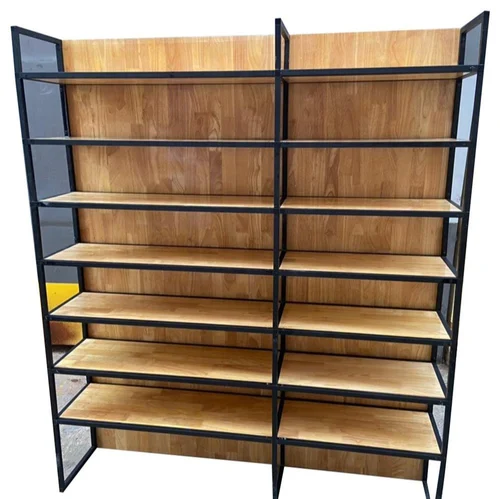
Shelving units serve as the backbone of many retail displays. Their clean lines and structured form help organize product categories, define zones, and control sightlines. But shelving doesn’t have to be strictly functional. When layered with props and themed visuals, it becomes an immersive backdrop that enhances storytelling.

For example, a neutral shelving backdrop can support multiple thematic layers:

  • Seasonal color palettes using coordinated props
  • Lifestyle vignettes that show how products work together
  • Material texture contrast that highlights product uniqueness

By starting with sturdy and attractive store shelving, retailers create a reliable foundation ready to support visual complexity without clutter.

Choosing Props That Complement, Not Distract

Props should amplify the product’s story — not overshadow it. The best props are those that feel cohesive with merchandise rather than unrelated ornaments. For a summer collection, natural materials like woven baskets, beach towels, or sand-tone accents help create an environment that connects emotionally with the theme. For cooler seasons, consider layered textiles, soft lighting, or subtle metallic tones for a cozy or festive mood.

Here are some prop strategies that work well:

  • Textural layers like fabric swatches, wooden trays, or baskets
  • Height variation using risers, boxes, or pedestals
  • Accent pieces such as themed signage or seasonal décor

Props help products “pop” on shelving by creating dimension and directing focus, making the scene feel intentional rather than random.

Themes That Spotlight Product Narratives

Themes allow retailers to curate products in meaningful groupings. These can be based on:

  • Seasonal events (Back-to-School, Holiday, Spring Refresh)
  • Lifestyle moments (Work Day Essentials, Weekend Wellness)
  • Trend groupings (Monochrome Neutrals, Earth Tones, Active Basics)

Theming not only enhances the visual experience, it also helps guide customer decisions. When shoppers can easily see how items pair together — and imagine them in real life — they’re more likely to make multiple purchases.

Finishing Touches: Lighting and Signage

Lighting completes layered displays by adding warmth, contrast, and focus. Soft LED strips on shelves or directional spotlights help highlight textures, colors, and featured items without overwhelming the space. Signage reinforces themes and offers context — whether it’s a simple price marker, a short theme phrase, or a small inspirational message.

Conclusion: Make Displays Work Harder

Shelving is more than storage — it’s a stage. With layering, props, and themed storytelling, your fixtures can do double duty: organize inventory and guide emotional engagement. When customers feel invited in by intentional display scenes, they linger longer, explore deeper, and remember the experience — making them more likely to return.

Science Parties That Inspire Young Curious Minds

Science parties are an exciting way to ignite curiosity and inspire learning in children. Beyond balloons and cake, these events offer hands-on experiences that make complex concepts fun and memorable. By blending entertainment with education, science-themed parties nurture creativity, critical thinking, and a lifelong love for discovery.

Why Science Parties Are a Hit

Science parties capture the imagination of young minds in ways traditional gatherings often cannot. Children are naturally curious, and when their questions are met with experiments and activities, their enthusiasm for learning skyrockets. Key benefits include:

  • Encouraging problem-solving and critical thinking skills
  • Boosting confidence as children explore and experiment
  • Making STEM (Science, Technology, Engineering, Math) concepts approachable
  • Creating memorable experiences that children talk about long after the party

Fun, Hands-On Activities

Children's Party

The heart of a science party lies in its activities. Educational fun reaches new heights with creative science parties, combining experiments, laughter, and unforgettable experiences. By turning abstract ideas into interactive experiences, children gain practical knowledge while having a blast. Popular activity themes include:

  • Explosive Experiments: Safe chemical reactions that fizz, pop, or change color
  • DIY Science Projects: Building simple machines or mini-robots with everyday materials
  • Nature Exploration: Studying insects, plants, or simple ecosystems in a playful way
  • Astronomy Fun: Observing the night sky, learning about planets, or creating constellation maps

These activities are not only entertaining but also promote teamwork, patience, and curiosity as children discover the “why” behind the phenomena they witness.

Creative Decor and Atmosphere

Setting the scene is key to immersing kids in the world of science. Decorations can spark excitement and add to the learning experience:

  • Bright, themed banners illustrating scientific concepts
  • Table setups resembling laboratory stations with safety goggles and beakers
  • Interactive corners for experiments, puzzles, or observation
  • Science-themed party favors that encourage exploration at home

A well-decorated environment transforms the space into a playground for learning, making the party both visually stimulating and educational.

Fostering Lifelong Curiosity

Science parties go beyond momentary entertainment they plant seeds for a lifelong passion for discovery. Children leave inspired to ask questions, explore experiments on their own, and engage with the world around them in new ways. By combining fun with education, these parties foster a growth mindset, helping children see learning as an exciting adventure rather than a chore.

Tips for a Successful Science Party

To make the most of a science-themed celebration:

  • Choose age-appropriate experiments to keep all children engaged
  • Ensure safety by using non-toxic materials and supervising hands-on activities
  • Incorporate storytelling to explain scientific principles in a relatable way
  • Balance structured activities with free exploration for maximum engagement

With thoughtful planning, a science party can be both thrilling and educational, leaving young guests inspired and eager to explore the wonders of science.