2026

Layering with Props and Themed Displays to Boost Retail Sales

In visual merchandising, the difference between a good display and a great one often comes down to storytelling. Well-organized store shelving does more than hold products — it becomes part of a layered narrative that draws customers in and connects them emotionally to your merchandise. By combining shelving with thoughtful props, lighting, and themes, retailers can transform ordinary presentations into compelling experiences.

Why Layering Matters

Layering creates depth and interest in visual displays. Instead of placing products on a single plane, layering uses vertical and horizontal space to build scenes that feel dynamic and curated. When customers encounter displays that look intentional and artful, they’re more likely to engage, explore, and ultimately buy.

Well-executed layering balances three key elements: product, props, and space. Products are the stars, but props and shelving provide context. Together, they whisper a story about how each item fits into a customer’s life — whether it’s seasonal trends, themed collections, or lifestyle moments.

Using Store Shelving as a Visual Foundation

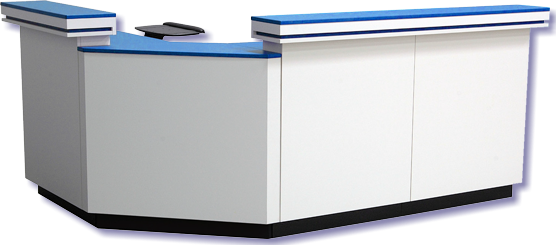
Retail Display Tables

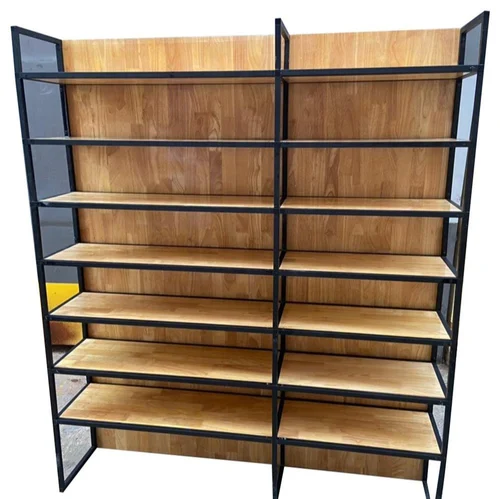
Shelving units serve as the backbone of many retail displays. Their clean lines and structured form help organize product categories, define zones, and control sightlines. But shelving doesn’t have to be strictly functional. When layered with props and themed visuals, it becomes an immersive backdrop that enhances storytelling.

For example, a neutral shelving backdrop can support multiple thematic layers:

  • Seasonal color palettes using coordinated props
  • Lifestyle vignettes that show how products work together
  • Material texture contrast that highlights product uniqueness

By starting with sturdy and attractive store shelving, retailers create a reliable foundation ready to support visual complexity without clutter.

Choosing Props That Complement, Not Distract

Props should amplify the product’s story — not overshadow it. The best props are those that feel cohesive with merchandise rather than unrelated ornaments. For a summer collection, natural materials like woven baskets, beach towels, or sand-tone accents help create an environment that connects emotionally with the theme. For cooler seasons, consider layered textiles, soft lighting, or subtle metallic tones for a cozy or festive mood.

Here are some prop strategies that work well:

  • Textural layers like fabric swatches, wooden trays, or baskets
  • Height variation using risers, boxes, or pedestals
  • Accent pieces such as themed signage or seasonal décor

Props help products “pop” on shelving by creating dimension and directing focus, making the scene feel intentional rather than random.

Themes That Spotlight Product Narratives

Themes allow retailers to curate products in meaningful groupings. These can be based on:

  • Seasonal events (Back-to-School, Holiday, Spring Refresh)
  • Lifestyle moments (Work Day Essentials, Weekend Wellness)
  • Trend groupings (Monochrome Neutrals, Earth Tones, Active Basics)

Theming not only enhances the visual experience, it also helps guide customer decisions. When shoppers can easily see how items pair together — and imagine them in real life — they’re more likely to make multiple purchases.

Finishing Touches: Lighting and Signage

Lighting completes layered displays by adding warmth, contrast, and focus. Soft LED strips on shelves or directional spotlights help highlight textures, colors, and featured items without overwhelming the space. Signage reinforces themes and offers context — whether it’s a simple price marker, a short theme phrase, or a small inspirational message.

Conclusion: Make Displays Work Harder

Shelving is more than storage — it’s a stage. With layering, props, and themed storytelling, your fixtures can do double duty: organize inventory and guide emotional engagement. When customers feel invited in by intentional display scenes, they linger longer, explore deeper, and remember the experience — making them more likely to return.

Science Parties That Inspire Young Curious Minds

Science parties are an exciting way to ignite curiosity and inspire learning in children. Beyond balloons and cake, these events offer hands-on experiences that make complex concepts fun and memorable. By blending entertainment with education, science-themed parties nurture creativity, critical thinking, and a lifelong love for discovery.

Why Science Parties Are a Hit

Science parties capture the imagination of young minds in ways traditional gatherings often cannot. Children are naturally curious, and when their questions are met with experiments and activities, their enthusiasm for learning skyrockets. Key benefits include:

  • Encouraging problem-solving and critical thinking skills
  • Boosting confidence as children explore and experiment
  • Making STEM (Science, Technology, Engineering, Math) concepts approachable
  • Creating memorable experiences that children talk about long after the party

Fun, Hands-On Activities

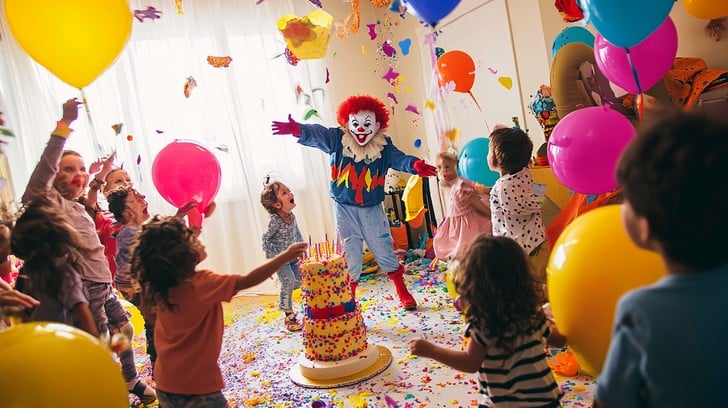
Children's Party

The heart of a science party lies in its activities. Educational fun reaches new heights with creative science parties, combining experiments, laughter, and unforgettable experiences. By turning abstract ideas into interactive experiences, children gain practical knowledge while having a blast. Popular activity themes include:

  • Explosive Experiments: Safe chemical reactions that fizz, pop, or change color
  • DIY Science Projects: Building simple machines or mini-robots with everyday materials
  • Nature Exploration: Studying insects, plants, or simple ecosystems in a playful way
  • Astronomy Fun: Observing the night sky, learning about planets, or creating constellation maps

These activities are not only entertaining but also promote teamwork, patience, and curiosity as children discover the “why” behind the phenomena they witness.

Creative Decor and Atmosphere

Setting the scene is key to immersing kids in the world of science. Decorations can spark excitement and add to the learning experience:

  • Bright, themed banners illustrating scientific concepts
  • Table setups resembling laboratory stations with safety goggles and beakers
  • Interactive corners for experiments, puzzles, or observation
  • Science-themed party favors that encourage exploration at home

A well-decorated environment transforms the space into a playground for learning, making the party both visually stimulating and educational.

Fostering Lifelong Curiosity

Science parties go beyond momentary entertainment they plant seeds for a lifelong passion for discovery. Children leave inspired to ask questions, explore experiments on their own, and engage with the world around them in new ways. By combining fun with education, these parties foster a growth mindset, helping children see learning as an exciting adventure rather than a chore.

Tips for a Successful Science Party

To make the most of a science-themed celebration:

  • Choose age-appropriate experiments to keep all children engaged
  • Ensure safety by using non-toxic materials and supervising hands-on activities
  • Incorporate storytelling to explain scientific principles in a relatable way
  • Balance structured activities with free exploration for maximum engagement

With thoughtful planning, a science party can be both thrilling and educational, leaving young guests inspired and eager to explore the wonders of science.