
The Subcontracting Trap: Why Brands Must Demand Visibility Beyond the Primary Factory
 Alex Smith Doe
 Why Hidden Subcontracting Is a Growing Risk
Many global brands believe they have full control over their supply chain once they select a primary factory and finalize contracts. But in reality, the modern manufacturing landscape is far more complex. As order volumes fluctuate and factories face pressure to meet deadlines, it has become increasingly common for them to subcontract parts of the production—sometimes without informing the buyer. These undisclosed partners often operate with lower standards, limited oversight, and inconsistent processes, creating a chain of hidden risks that brands may only discover when defective products arrive at their warehouse. For companies of all sizes, failing to see what happens beyond the main facility can quickly lead to compliance failures, safety hazards, and costly rework.
How Subcontractors Compromise Quality and Consistency
Subcontracting isn’t always malicious; sometimes it is a factory’s attempt to meet production demands during peak seasons or capacity shortages. But when brands are unaware of who is actually producing their goods, quality issues become far more likely. Secondary workshops may use different materials, lower-grade components, unskilled labor, or outdated machinery. Even small variations—such as thread quality, chemical composition, or assembly techniques—can dramatically affect the final product. Because subcontractors rarely receive the full specification package, they often rely on assumptions or limited instructions, which leads to inconsistent outcomes.
Why Supplier Transparency Is Not Guaranteed
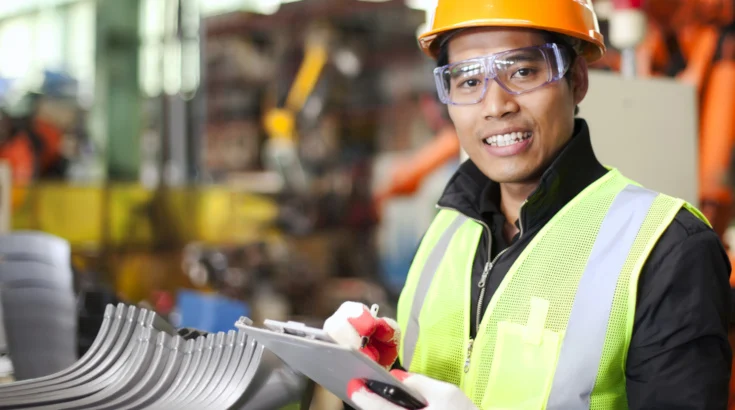
Many importers assume that factories will disclose when they subcontract. However, this is not always the case. Some manufacturers worry that revealing subcontracting arrangements could make them look unreliable or risk losing orders. Others hide these details to protect their network or avoid scrutiny of their labor practices. This lack of transparency is one of the biggest traps for brands trying to maintain consistent product quality. Without visibility beyond the primary factory, companies cannot accurately assess risk or ensure that all production steps follow required standards.
Independent Oversight as a Defense Against Hidden Production
To avoid the subcontracting trap, brands increasingly rely on structured evaluation tools and on-the-ground visibility. Conducting an independent supplier assessment helps companies verify not only the main factory’s capabilities but also detect signs of external production. These assessments can reveal whether a factory has enough machinery, workforce capacity, or floor space to realistically complete an order. When discrepancies appear, it often indicates that subcontracting is happening or will happen. Tools like these—often built around standardized checklists, operational reviews, and capacity verification—give brands a clearer picture of the supply chain beyond what the factory discloses.
Maintaining Control Through Ongoing Production Checks
Even after an initial evaluation, visibility must continue throughout the production cycle. Mid-production checks help confirm that the order is being produced where the brand expects and that no unauthorized facility is involved. Inspectors can verify that materials match approved samples, that workers are properly trained, and that production lines are set up correctly. These routine checks are essential for detecting early deviations before they turn into widespread quality failures.
Learning From Industry Insights
Understanding how subcontracting affects quality, compliance, and transparency requires ongoing learning. Regulations, industry norms, and factory behaviors continue to shift across Asia. Insights from sources such as the Resources for Inspections help brands stay informed about supply chain risks, inspection strategies, and emerging challenges in global manufacturing.
Subcontracting is one of the most overlooked threats in modern manufacturing, but it is also one of the most preventable. By demanding visibility beyond the primary factory, conducting independent audits, and monitoring production regularly, brands can protect themselves from unexpected quality issues and maintain consistent standards across their entire supply chain. In an era where transparency is essential, the brands that look deeper are the ones best positioned to build trust and long-term reliability.